
Xavien Howard Faces Disturbing ‘Revenge Porn’ Allegations in Broward County
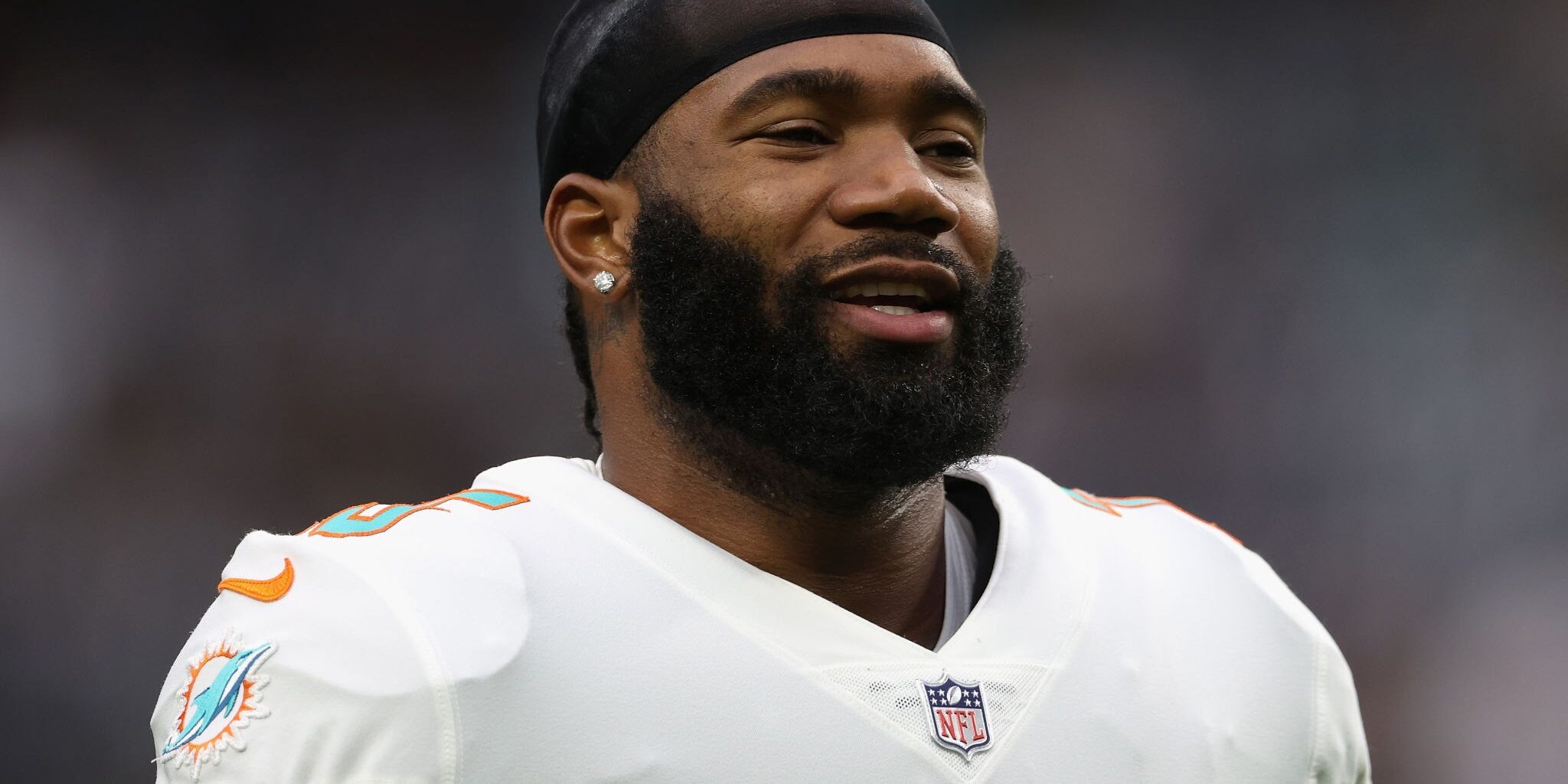
Former Miami Dolphins All-Pro cornerback Xavien Howard is now the target of a civil lawsuit that accuses him of distributing explicit images and videos without consent—conduct popularly known as revenge porn. According to newly filed court records, Howard allegedly texted a minor sexually explicit photos of the boy’s own mother after she refused his demand that she terminate a pregnancy. The filing seeks to add the teen as a plaintiff, citing severe emotional trauma.
Key Allegations at a Glance
- Non-consensual distribution: Howard purportedly shared intimate images and videos of two different women after relationships soured, ignoring a cease-and-desist letter from one victim.
- Targeting a minor: One set of images was sent directly to the woman’s teenage son, whom Howard knew because his mother had occasionally texted from the boy’s phone.
- Motivation: The suit claims Howard acted out of revenge when the woman declined to have an abortion, going “on a warpath” that included cyber-harassment.
- Potential damages: The plaintiffs are seeking at least $50,000 for emotional distress and invasion of privacy, plus punitive damages.
- Status: Although no criminal charges have been filed, Howard—cut by the Dolphins in March 2024—remains a free agent with his reputation in jeopardy.
How Florida Law Treats Revenge Porn
Florida’s Sexual Cyberharassment Act (Fla. Stat. § 784.049) makes it a crime to willfully and maliciously distribute sexually explicit images without consent. Victims may also pursue civil remedies such as:
- Injunctive relief to force the immediate removal or deletion of images.
- Monetary damages for emotional distress, lost income, and punitive purposes.
- Attorney’s fees to help level the playing field against well-funded defendants.
Why This Case Matters
- First-of-its-kind in sports: Few high-profile athletes have faced civil claims for revenge porn involving minors, putting Howard’s case under a national microscope.
- Expanding plaintiff pool: The effort to add the teen son underscores courts’ growing recognition of secondary victims in cyber-sexual-abuse cases.
- Signal to offenders: Large-dollar verdicts in similar actions (e.g., Doe v. Parsons, $300,000 judgment) show Florida juries are willing to punish digital abusers.
What Victims Should Do Next
- Document everything. Preserve messages, screenshots, and witness statements before they disappear.
- Report to law enforcement. Broward County victims can contact the Special Victims Unit at 954-321-4200.
- Seek a civil lawyer. Civil claims can secure restraining orders, injunctions, and significant compensation.
Need confidential guidance today? Contact our team—we help Florida victims enforce their rights and reclaim control of their images.