
New Federal Lawsuit Exposes Cyberbullying and Revenge Porn in the Gaming Community
June 2025 — Northern District of California
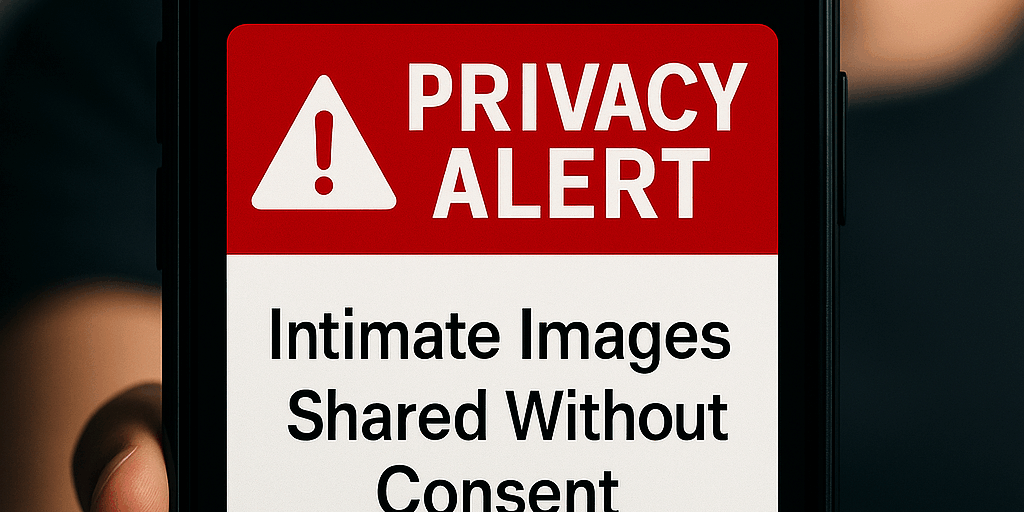
A new federal lawsuit filed in the Northern District of California highlights an escalating problem in online spaces: coordinated cyberbullying, doxxing, and the nonconsensual distribution of intimate images. The case, Tayts v. Gacutan, et al. (Case No. 3:25-cv-03001-SK), centers on a Texas-based creator in the Cyberpunk 2077 modding community who alleges a multi-year campaign of harassment and the sharing of explicit digital models of her likeness without consent.
Who Is the Plaintiff?
Alisa Tayts is a well-known modder who creates custom character poses and digital assets, many modeled after her own likeness. She monetizes her work through popular modding platforms. According to the complaint, the hostility began after she helped a friend address stolen content in 2022, then spiraled into sustained pile-ons across social media and anonymous blogs.
Alleged Pattern of Harassment
- Public accusations that Tayts bullied and manipulated others.
- Anonymous “hate blogs” publishing hundreds of defamatory posts.
- Doxxing and the posting of her phone number, encouraging harassing calls.
- Business harm from claims she could not create her own work.
- Severe emotional distress culminating in two suicide attempts (Oct. 2023 and July 4, 2024).
Key allegation: A former collaborator allegedly posted semi-nude and explicit 3D renders of the plaintiff’s likeness to a large audience despite her explicit objections, then encouraged others to target her online.
The Legal Theories
The nine counts in the lawsuit include both state and federal claims. Highlights:
- Defamation (Libel): Repeated false statements about the plaintiff’s character and work.
- Civil Harassment & Stalking (California): Persistent online targeting, threats, and surveillance-like behaviors.
- Public Disclosure of Private Facts: Publishing private phone numbers and private communications.
- Breach of Contract: Alleged violation of a written stipulation to delete content and cease discussion.
- Distribution of Private Sexually Explicit Materials (Cal. Civ. Code § 1708.85): Nonconsensual sharing of intimate content.
- Disclosure of Intimate Images (15 U.S.C. § 6851): The federal civil claim for nonconsensual disclosure of intimate images.
Why This Case Matters
- Digital likenesses count: Semi-nude or explicit 3D models intended to depict a real person may fall within modern “intimate image” laws.
- Cross-border conduct: Defendants in multiple countries show how online harassment easily crosses jurisdictions.
- Remedies exist: Victims can pursue injunctions, damages, and attorney’s fees under state and federal law, including 15 U.S.C. § 6851.
What the Plaintiff Seeks
- Compensatory and punitive damages (multimillion-dollar claims).
- Permanent injunctions to remove intimate content and halt harassment.
- Restraining orders where warranted.
- Attorney’s fees and costs.
If You Are a Victim of Revenge Porn or Cyberstalking
You are not alone. You do not have to “just ignore it.” Civil laws now provide powerful tools to force removal, stop ongoing harm, and recover damages.
We Help Victims Nationwide
- Federal claims under 15 U.S.C. § 6851.
- State law claims for related privacy torts.
- Defamation, stalking, and intentional infliction of emotional distress.
- Rapid preservation letters, platform takedowns, and injunctions.
Request a confidential consultation
Bring screenshots, URLs, and dates. We will assess removal options, emergency relief, and damages strategies.
Frequently Asked Questions
Do “AI” or 3D renders count as intimate images?
Courts look to whether the content is meant to depict a real person’s intimate body or sexual conduct and whether it was shared without consent. The format (photo, video, deepfake, or 3D render) does not automatically defeat a claim.
Can I sue if the harasser is overseas?
Yes, potentially. Jurisdiction depends on where the harm occurs and where the content is targeted or distributed. Federal claims and platform policies can also help.
What should I do first?
- Preserve evidence: screenshots, post URLs, timestamps, and account IDs.
- Do not engage with harassers. Use platform reporting tools.
- Consult counsel to evaluate emergency injunctions and notice letters.
Source: First Amended Complaint, Tayts v. Gacutan, et al., Case No. 3:25-cv-03001-SK (N.D. Cal., filed June 13, 2025).
Disclaimer: Allegations are drawn from a public court filing and may be disputed. Nothing here is legal advice. For guidance about your situation, please contact an attorney.